Introduction
Peak Hour Problems Usually Start Before the Kitchen
Most restaurant owners have experienced this scenario:
The restaurant becomes busy, orders begin stacking up, staff communication becomes more reactive, and suddenly service slows down across the entire floor.
At first glance, it appears to be a kitchen-speed problem.
But in many restaurants, peak-hour slowdowns begin much earlier in the operational flow.
They start with coordination.
Restaurant service delays are often the result of fragmented workflows, manual communication, and operational bottlenecks that only become visible under pressure.
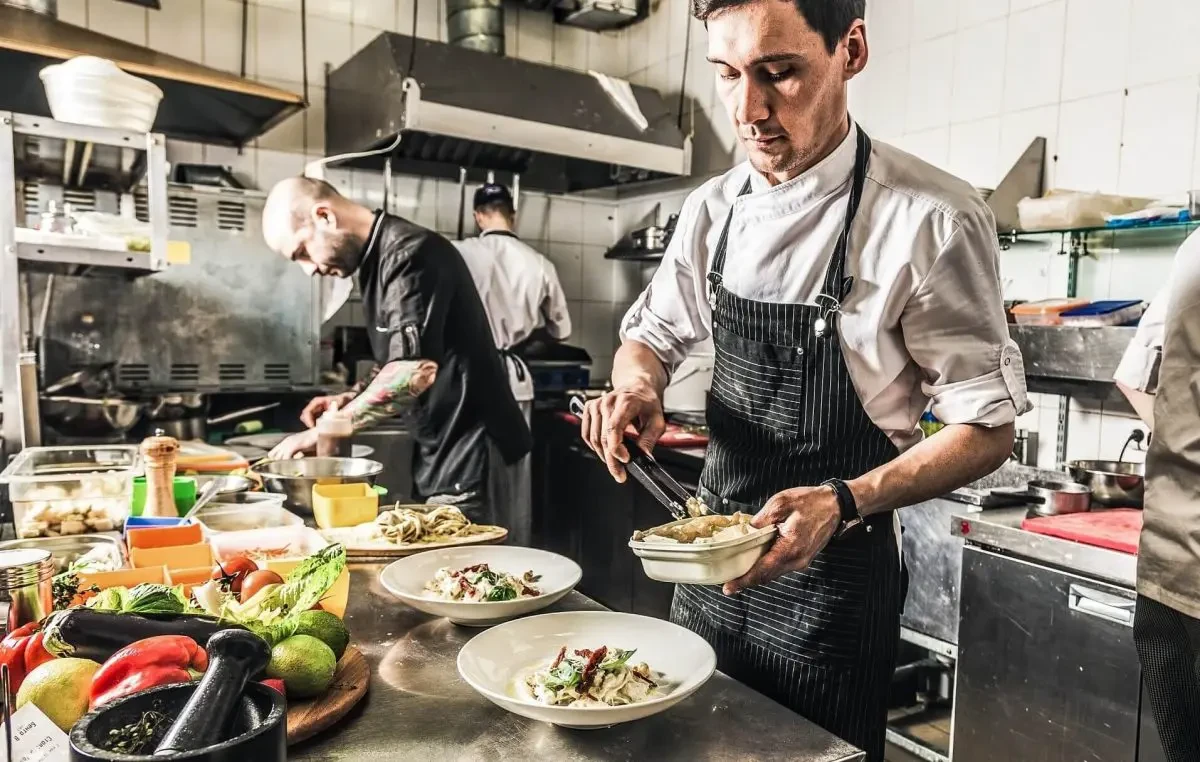
Delays Begin at
Delays Often Begin Before Food Preparation
In many restaurants, the kitchen receives pressure from problems that started elsewhere.
Examples include:
- Unclear order information
- Delayed order transmission
- Dine-in and delivery orders arriving simultaneously
- Manual ticket handling
- Staff repeatedly clarifying requests
When operational flow depends heavily on verbal communication or fragmented systems, even small delays begin compounding quickly.
During slower hours, these inefficiencies may appear manageable.
During peak service, they become amplified.
The Prolem with Manual Coordination
The Problem With Manual Coordination During Rush Hours
Many restaurants still rely on highly manual coordination between:
- Front-of-house staff
- Kitchen staff
- Delivery handling
- Billing and POS systems
- Inventory awareness
This creates operational dependency on memory, verbal updates, and staff availability.
Under pressure, communication becomes reactive instead of structured.
Typical examples include:
- Staff repeatedly asking for order status
- Kitchen interruptions during preparation
- Managers stepping in constantly to resolve confusion
- Duplicate communication between stations
None of these issues appear major individually.
But together, they slow the entire operation.
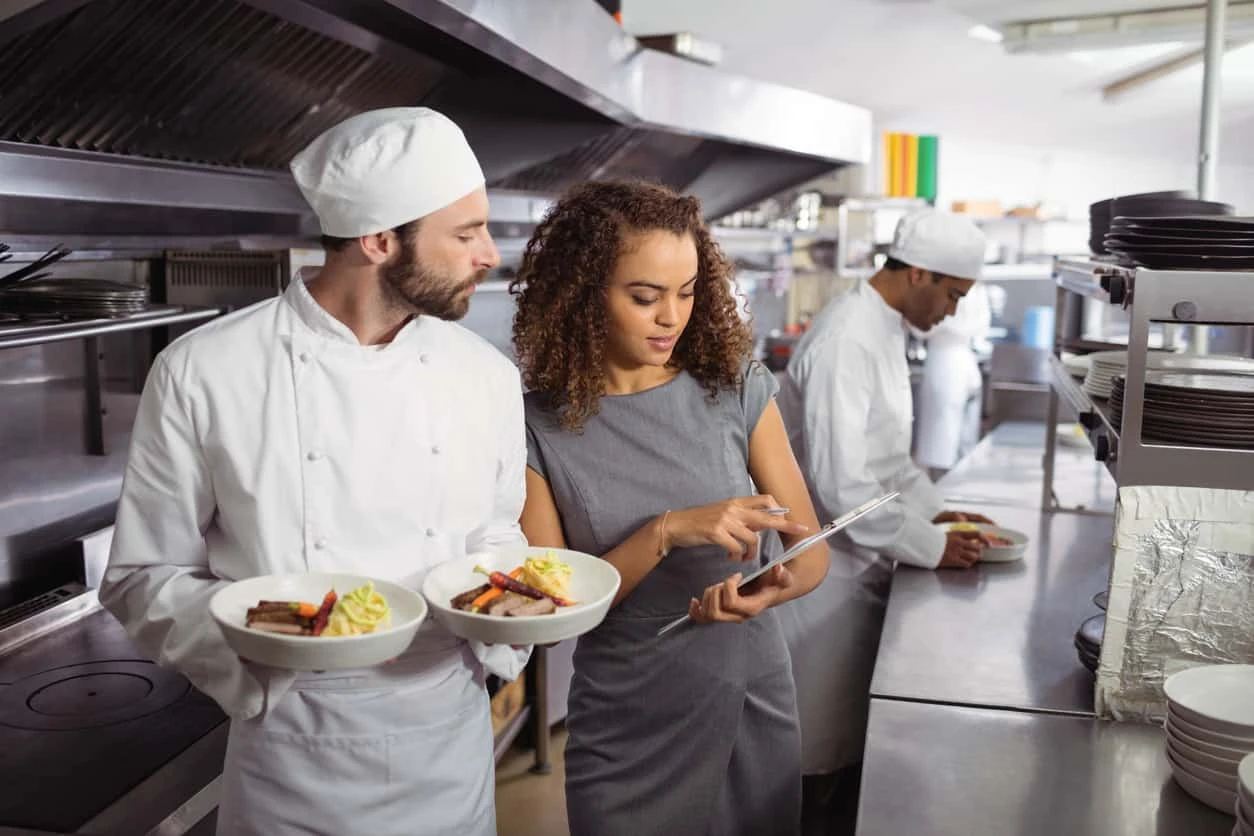
Kitchen Bottlenecks
Kitchen Bottlenecks Are Often Visibility Problems
Peak-hour slowdowns are not always caused by cooking speed.
In many cases, they are caused by poor operational visibility.
For example:
- Staff may not clearly see order priority
- Delivery and dine-in tickets compete simultaneously
- Kitchen sequencing becomes inconsistent
- Order queues become difficult to track manually
This creates friction inside the workflow itself.
Instead of a structured flow, operations become dependent on staff continuously adapting in real time.
The result is slower coordination, increased stress, and inconsistent service timing.
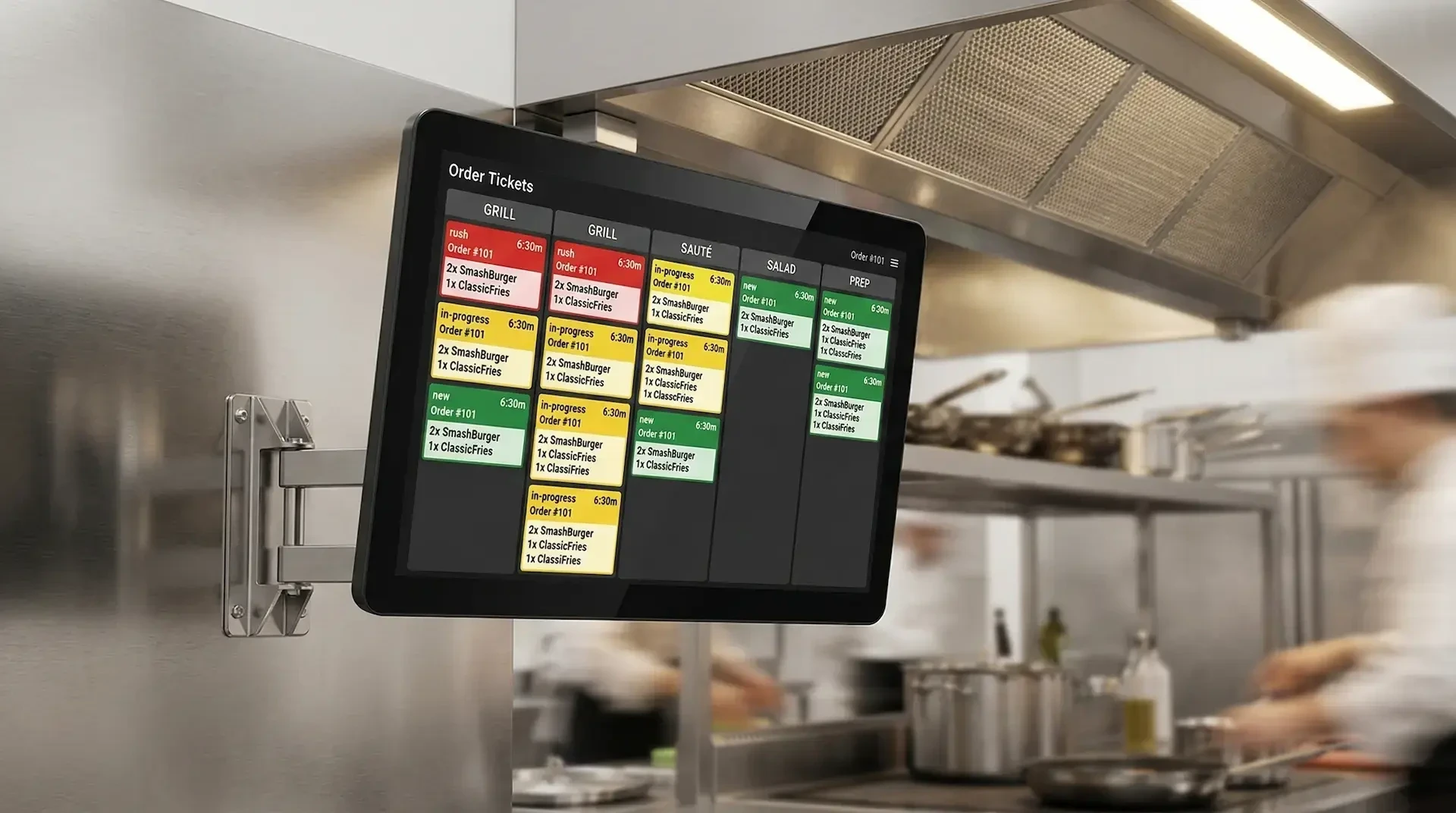
Small Delays Compound Faster
Small Delays Compound Faster Than Most Restaurants Realise
One delayed step rarely stays isolated during peak hours.
A small issue in one part of the workflow quickly affects other areas.
For example:
- An order reaches the kitchen slightly late
- Preparation timing shifts
- Delivery timing becomes tighter
- Staff begin reprioritising manually
- Other orders start queueing behind it
Over time, the operation becomes reactive instead of controlled.
This is why restaurants sometimes feel “fine” until a certain order volume is reached.
The issue is not only demand.
It is how the workflow behaves under pressure.
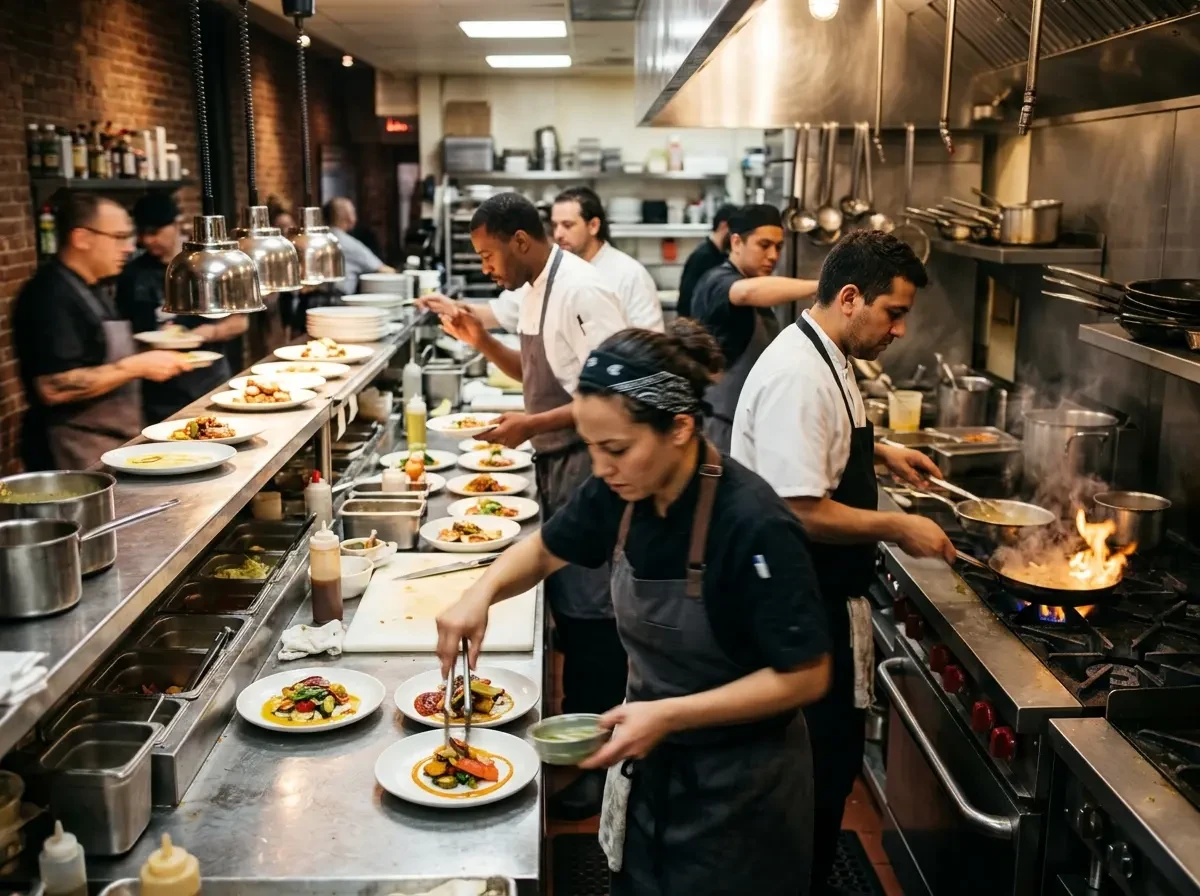
The Core Problem doesn't lies with Staff
Why Staff Speed Is Usually Not The Core Problem
Restaurants often assume slow service comes from:
- Inexperienced staff
- Slow kitchen performance
- Lack of urgency
But operationally, many delays are caused by structural inefficiencies instead.
Even highly capable teams struggle when:
- Systems are disconnected
- Communication is fragmented
- Workflows are unclear
- Visibility is limited
- Processes rely too heavily on manual coordination
In these situations, pressure increases faster than coordination can keep up.
The Hidden Impact
The Hidden Impact of Service Slowdowns
Peak-hour inefficiencies affect more than order timing.
Over time, they influence:
- Customer experience consistency
- Staff stress and burnout
- Kitchen pressure
- Operational predictability
- Service quality during growth
What appears as a “busy night problem” can eventually become a long-term operational issue.
Especially as restaurants grow.
When the problem feels more Intentse
Growing Restaurants Experience These Problems More Intensely
A workflow that functions at moderate volume may struggle significantly at higher demand.
As restaurants grow:
- Order complexity increases
- Coordination becomes harder
- Manual processes multiply
- Communication overhead expands
Without operational structure, growth creates instability instead of efficiency.
This is one reason why many restaurants experience operational strain even while demand is increasing.
The Goal
The Goal Is Not Faster Staff — It Is Operational Clarity
The most efficient restaurants are not always the ones with the fastest teams.
They are often the ones with:
- Clearer operational flow
- Better visibility across systems
- Fewer communication interruptions
- More structured coordination
Operational clarity reduces pressure before pressure becomes chaos.
And during peak hours, clarity matters more than speed alone.

Round Up
Conclusion
Restaurant service slowdowns rarely come from a single major failure.
More often, they come from repeated small inefficiencies inside the operational workflow.
During quiet hours, these issues remain mostly invisible.
During peak hours, they become amplified across the entire restaurant.
The challenge is not simply working faster.
It is creating operational systems that remain stable under pressure.