Why
Why Busy Restaurants Start Breaking Operationally
Most restaurant owners see busyness as a positive sign.
More customers usually means stronger demand, better visibility, and higher revenue potential.
But operationally, busyness also creates pressure.
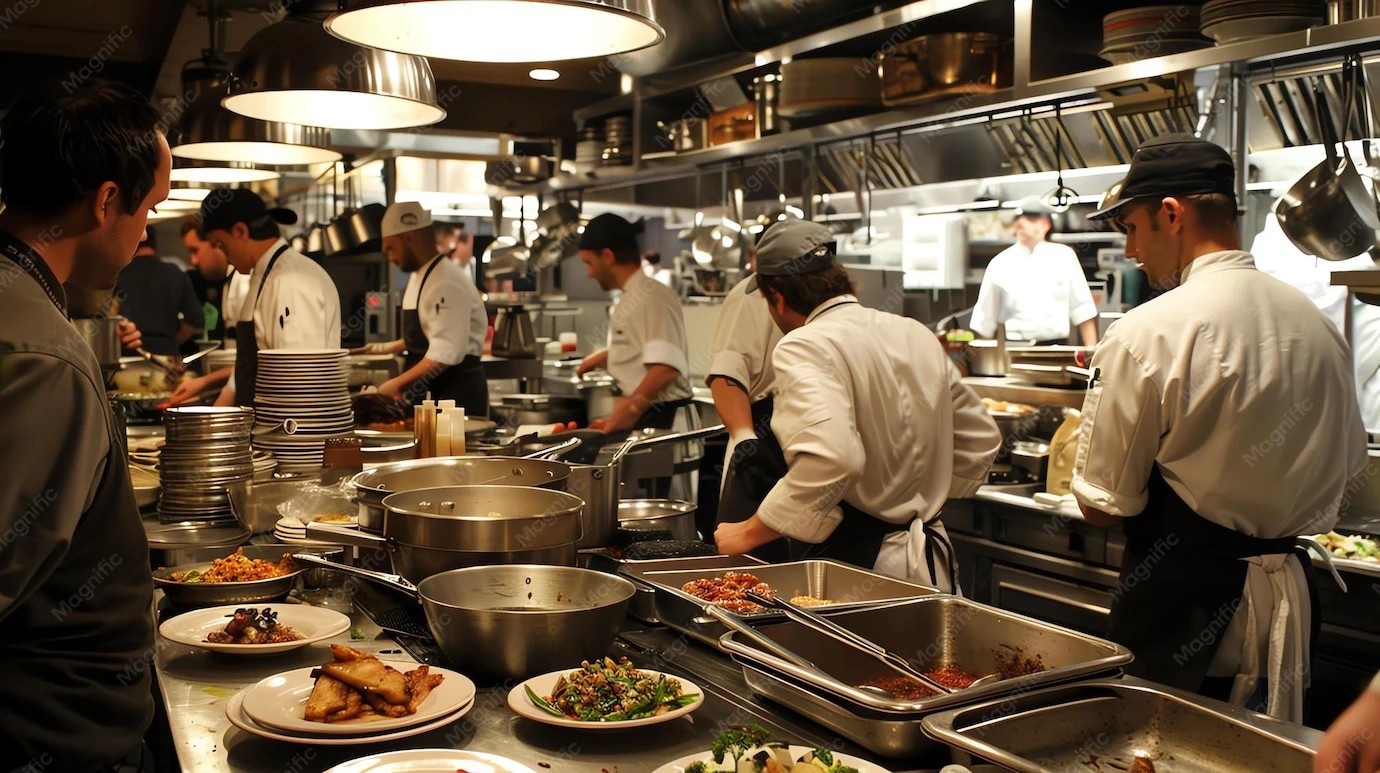
A restaurant that feels stable during quieter hours can quickly become difficult to manage when order volume increases, staff movement becomes faster, and communication becomes more reactive.
This is why many restaurants do not break because they are unsuccessful.
They break because they are growing without enough operational structure.
What They Indicate
Growth Exposes Weak Systems
Many restaurant workflows are built gradually.
At the beginning, this often works well.
A small team can remember tasks, communicate verbally, handle exceptions manually, and correct mistakes quickly.
But as the restaurant becomes busier, the same informal system begins to show its limits.
The problem is not always the people.
The problem is that the workflow was never designed for higher volume.
What once felt flexible starts becoming inconsistent.
What It Feels like
What Works at Low Volume May Fail at High Volume
A restaurant serving a moderate number of orders can often survive with manual coordination.
Staff can ask each other questions.
Managers can personally supervise issues.
Kitchen teams can adjust priorities in real time.
But during peak service, the margin for confusion becomes much smaller.
Small delays begin to compound.
A missed instruction, delayed ticket, unclear priority, or repeated clarification can affect multiple orders at once.
At low volume, these issues are manageable.
At high volume, they become operational bottlenecks.
They Becomes Reactive
Busy Restaurants Often Become More Reactive
One of the clearest signs of operational strain is when a restaurant becomes reactive.
Instead of following a stable process, the team starts constantly responding to problems as they appear.
This may look like:
- staff asking repeatedly for order updates
- managers stepping in to resolve basic workflow issues
- kitchen teams changing priorities manually
- delivery orders disrupting dine-in flow
- inventory issues appearing during service
When this happens regularly, the restaurant is no longer operating through structure.
It is operating through correction.
What Kitchen Pressure Means
Kitchen Pressure Is Often a Workflow Problem
During busy periods, the kitchen usually receives most of the blame.
Customers see delays in food.
Front staff wait for updates.
Managers focus on preparation time.
But many kitchen delays begin before cooking starts.
The real causes may include:
- unclear order details
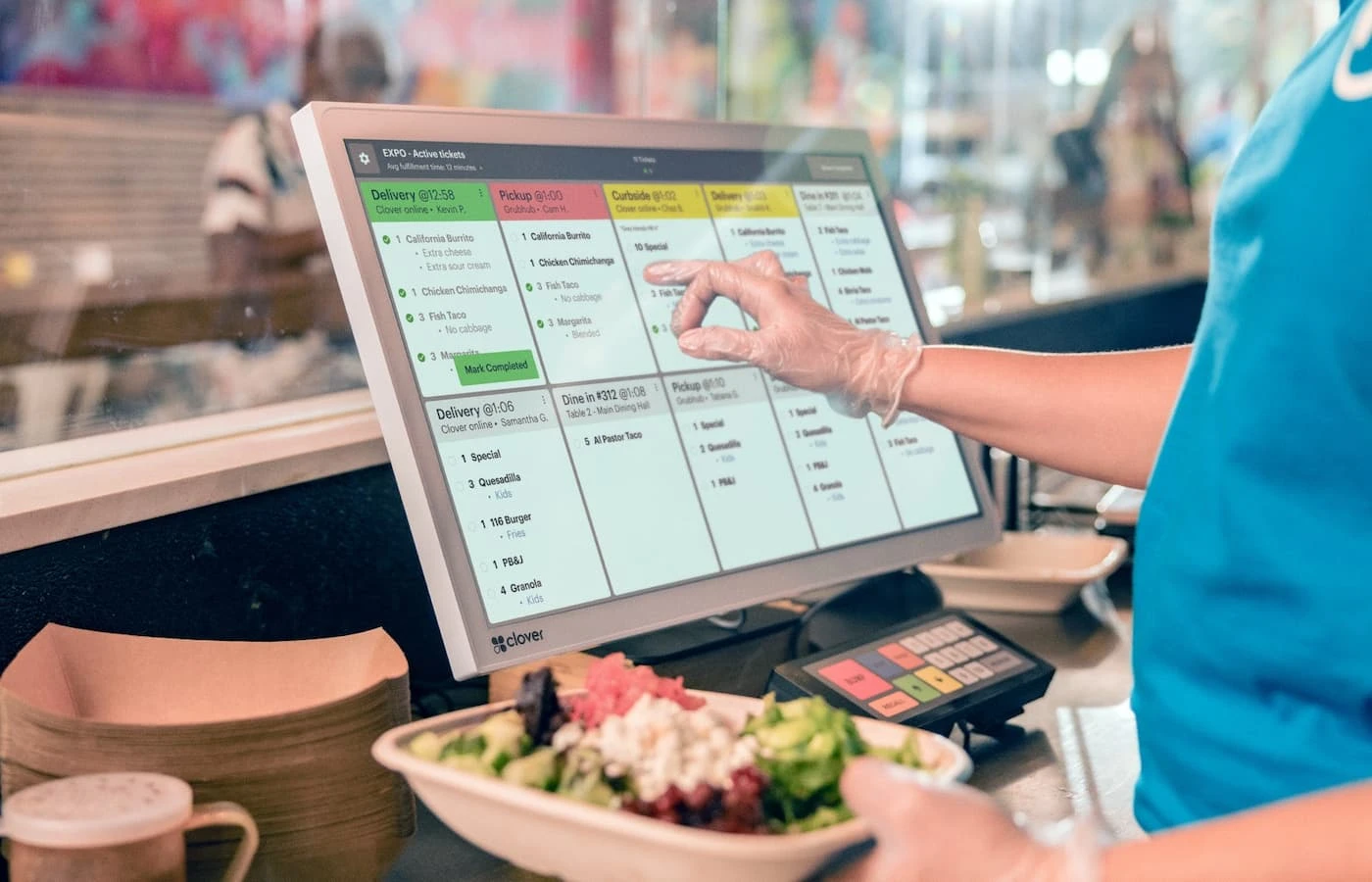
- delayed order transmission
- poor ticket sequencing
- disconnected dine-in and delivery channels
- too many verbal confirmations
The kitchen may be working hard, but the operational flow around it is not supporting speed or clarity.
This is why improving kitchen performance often requires improving the entire workflow, not only the kitchen itself.
What Causes Stuff Dependency
Staff Dependency Increases When Systems Are Weak
In many restaurants, experienced staff become the system.
They remember supplier routines.
They know how orders usually move.
They understand exceptions.
They solve problems before managers notice them.
This can feel efficient, but it creates dependency.
When the restaurant becomes busier, or when key staff are absent, the weakness becomes visible.
A restaurant should not depend entirely on a few experienced people to stay organised.
Strong operations reduce dependency by making workflows clearer, more repeatable, and easier for the whole team to follow.
Communication is Expensive
Growth Makes Communication More Expensive
Communication is one of the hidden costs of restaurant growth.
At small scale, verbal communication feels quick.
But as volume increases, every clarification creates interruption.
A single question may not seem costly.
But repeated across an entire service period, communication overload slows the team down.
Staff begin spending more time confirming, correcting, and chasing information instead of moving work forward.
This is where operational clarity becomes more valuable than speed alone.

Less Control
More Orders Can Create Less Control
Growth does not automatically create stronger operations.
In some restaurants, more orders actually create less control.
This happens when:
- order channels are disconnected
- reports are not clear
- inventory visibility is limited
- staff responsibilities are not standardised
- managers rely on manual oversight
The restaurant becomes busier, but not necessarily more organised.
This is a dangerous stage because revenue may be increasing while operational control is decreasing.
The Real Problem
The Real Problem Is Operational Maturity
A restaurant can have strong demand and still be operationally immature.
Operational maturity means the restaurant can handle pressure without becoming chaotic.
It usually requires:
- clear workflows
- structured communication
- reliable order visibility
- consistent staff processes
- connected operational systems
- useful reporting
Without these, growth creates friction.
With them, growth becomes easier to manage.
Its Hardly Noticable
Why Owners Often Notice Too Late
Many operational problems develop slowly.
At first, they look like normal busy-day issues.
A few delays.
A few mistakes.
A few stressed staff.
A few customer complaints.
But over time, these small issues become patterns.
The restaurant starts needing more supervision, more correction, and more manual involvement just to maintain the same level of service.
By the time owners notice the problem clearly, the team may already be operating under constant pressure.
The Goal
The Goal Is Not Just More Customers
More customers are valuable only when the operation can support them.
A restaurant that grows without structure can lose consistency, increase staff stress, and damage customer experience.
The goal is not simply to become busier.
The goal is to become capable of handling busyness without losing control.
Sustainable restaurant growth depends on operational systems that can scale with demand.

Finally
Conclusion
Busy restaurants do not usually break because they lack effort.
They break because their original workflows were designed for a smaller version of the business.
As demand increases, every weak point becomes more visible:
- communication gaps
- kitchen bottlenecks
- staff dependency
- manual coordination
- disconnected systems
Growth does not create these problems.
It reveals them.
Restaurants that scale more sustainably are usually the ones that strengthen their operational structure before pressure turns into chaos.