Introduction
More Orders Do Not Always Mean A Smoother Operation
Modern restaurants do not receive orders from one place anymore.
A normal service day can include dine-in orders, takeaway requests, phone calls, website orders, QR table orders, delivery app orders, and sometimes messages from social platforms.
Each channel can be useful on its own.
Delivery platforms can bring reach. Direct websites can give more control. Phone orders can support regular customers. QR ordering can reduce waiting at the table.
The problem is not that one channel is bad.
The problem starts when all these channels create separate workflows inside the same restaurant.
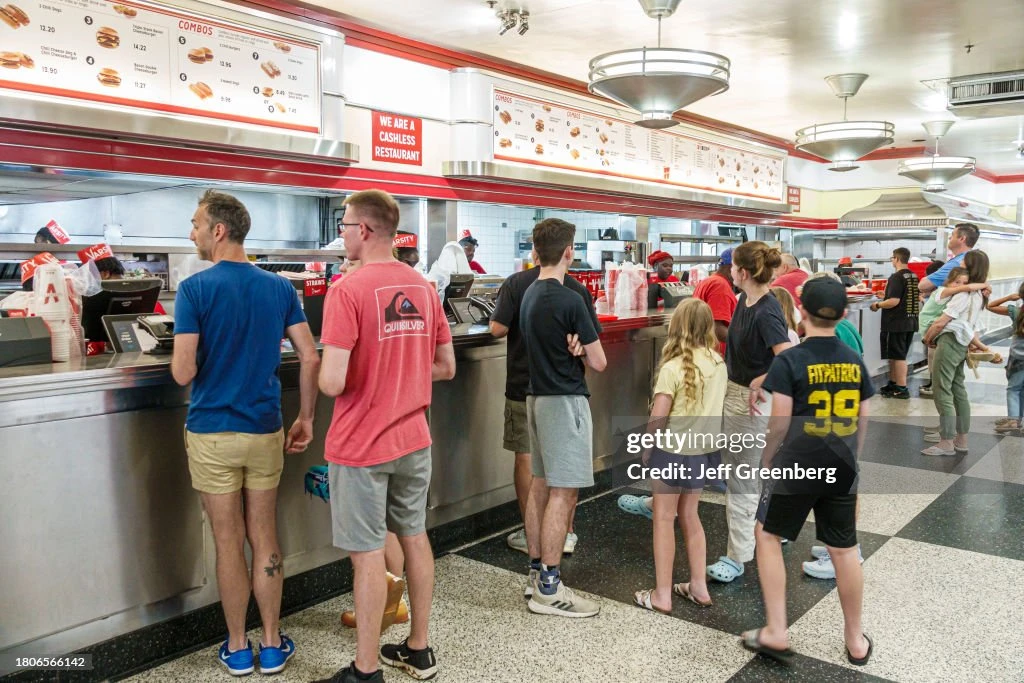
Order Channels
More Channels Can Create More Daily Pressure
More order channels usually look like more opportunity.
In many cases, they are.
But every channel also adds another place that staff need to watch, confirm, prioritise, and update during service.
That pressure usually appears through:
- Dine-in orders moving through the main POS
- Delivery orders arriving from separate marketplace tablets
- Phone orders being written down or entered manually
- Website or QR orders appearing in another dashboard
- Staff manually deciding which order needs attention first
When this is not managed through one clear flow, order volume increases but control becomes harder to maintain.
The Real Issue
The Issue Is Not The Tool — It Is The Flow
It is easy to blame the tools when service becomes stressful.
But most restaurant tools have real strengths when used in the right context.
The issue usually begins when each tool creates its own separate routine.
For example:
- One platform receives delivery orders
- Another system handles dine-in billing
- Phone orders depend on handwritten notes
- Kitchen staff receive information from different places
Individually, each system may work.
Together, they can create friction when the restaurant has no clear way to combine them into daily operations.

Staff Pressure
Staff Become The Integration Layer
One of the most common problems is that staff become responsible for connecting everything manually.
They check tablets, repeat orders, update the kitchen, confirm details, and correct mistakes before customers notice them.
During quiet hours, this can feel manageable.
During busy service, it becomes pressure.
- Staff check multiple devices for incoming orders
- Orders are copied from one system into another
- Kitchen staff ask for clarification during preparation
- Managers step in to decide order priority manually
The team is not only serving customers.
They are also holding the order workflow together.
Kitchen Priority
Separate Channels Can Confuse Kitchen Priority
The kitchen does not only need orders.
It needs clear order priority.
During peak hours, staff need to know which orders are dine-in, which are takeaway, which delivery riders are already waiting, and which tickets are delayed.
Confusion often appears when:
- Dine-in and delivery tickets arrive at the same time
- Phone orders are not entered into the main queue quickly
- Delivery orders interrupt preparation flow for table customers
- Kitchen staff rely on verbal updates instead of visible order flow
This is not always a cooking-speed problem.
Often, it is a visibility problem.
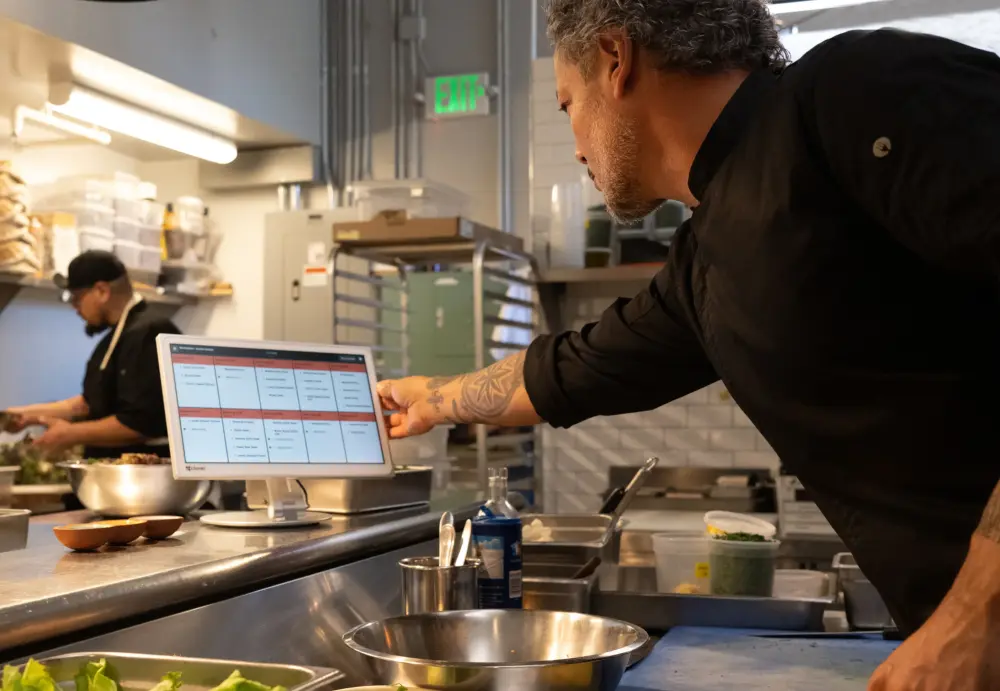
Manual Re-entry
Manual Re-entry Creates Small But Repeated Risk
Manual re-entry is one of the quietest causes of restaurant mistakes.
It often happens when staff need to copy order details from one place to another.
That may sound simple, but under pressure, every extra step creates risk.
- A delivery order is copied into the POS
- A phone order is written down before being sent to the kitchen
- A special request is repeated verbally instead of shown clearly
- A customer detail is missed during a busy service period
One mistake may not look serious.
But repeated across a full service day, these small risks become service delays, corrections, refunds, or customer dissatisfaction.
Third-Party
Third-Party Platforms Are Useful — But Not Complete
Third-party delivery platforms have clear value.
They help restaurants reach customers, increase visibility, and receive orders from places where customers already search for food.
But they also create operational limits when they sit outside the restaurant’s main workflow.
Common pressure points include:
- Separate order screens that staff must monitor
- Less direct control over customer relationship
- Reporting that does not fully match internal operations
- Delivery timing pressure affecting kitchen priority
This does not mean restaurants should avoid third-party platforms.
It means they should understand where those platforms fit inside the wider operation.
Direct Ordering
Direct Ordering Also Needs Proper Workflow
Some restaurants assume that having their own website or direct ordering system automatically solves the problem.
It does not.
A direct ordering system only becomes useful when it fits into daily operations properly.
Otherwise, it becomes one more dashboard for staff to check.
- Orders should be easy to receive and confirm
- Kitchen staff should clearly see what needs preparation
- Customer updates should not depend on manual chasing
- Reporting should help owners understand performance clearly
The goal is not simply to own the order channel.
The goal is to make the channel operationally useful.
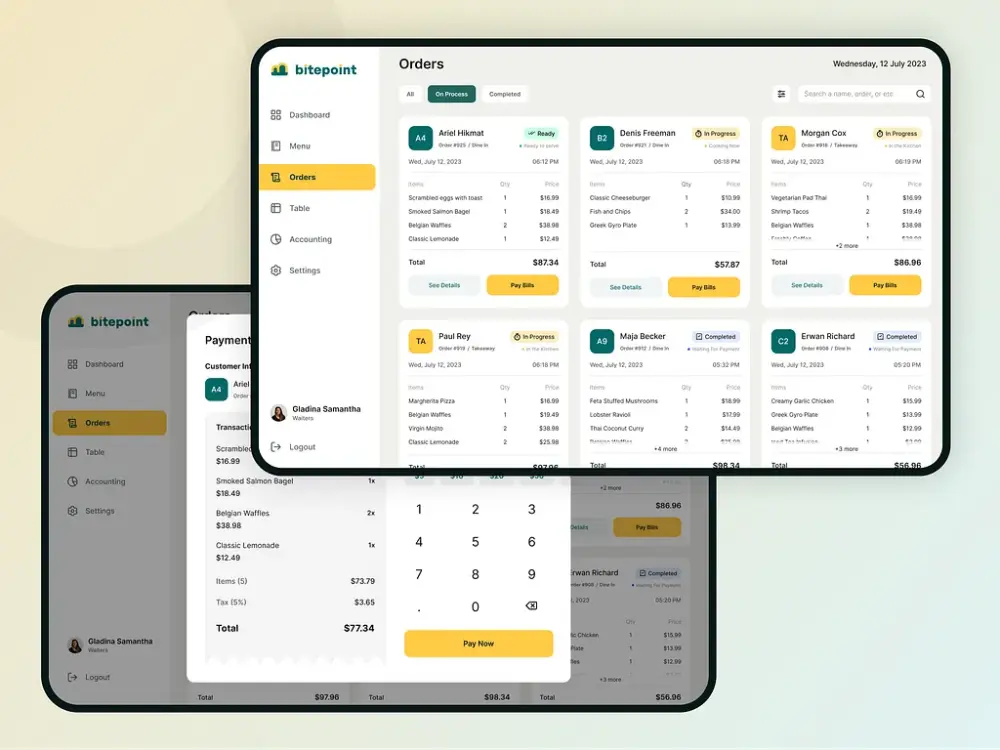
Coordination
The Real Problem Is Channel Coordination
Restaurants do not necessarily need fewer channels.
They need better coordination between channels.
A healthy order workflow should make it easier for staff to receive, prioritise, prepare, and track orders without constantly switching context.
That usually means improving how channels work together.
- Dine-in orders stay organised
- Delivery orders become easier to manage
- Takeaway timing becomes more predictable
- Staff spend less time moving between disconnected tools
That is the difference between having more order channels and having a clearer restaurant operation.
Warning Signs
Signs That Order Channels Are Creating Workflow Pressure
Restaurant owners may not always notice the issue immediately.
It often appears as normal busy-service pressure.
But there are signs that order channels are creating workflow strain:
- Staff constantly checking multiple devices
- Kitchen asking for repeated clarification
- Delivery and dine-in orders competing awkwardly
- Reporting not matching across platforms
- Managers manually solving order confusion during service
These are not just technology problems.
They are workflow signals.
The Goal
The Goal Is Not One Perfect Tool
No single tool solves every restaurant problem.
Restaurants have different service models, customer habits, staffing patterns, and order volumes.
A small café, takeaway-heavy restaurant, premium dine-in brand, and multi-location operator will not need the same workflow.
The better goal is to build an order flow that matches the actual operation.
- Each order channel should have a clear role
- Staff should not manually hold the whole workflow together
- Kitchen priority should stay visible during busy service
- Owners should be able to understand performance without chasing reports
The goal is not fewer channels.
The goal is clearer flow.
Round Up
Conclusion
Restaurants today often need multiple order channels.
Customers order in different ways, and each channel can support the business differently.
But when those channels operate separately, the daily workflow becomes harder to control.
Staff spend more time checking, copying, confirming, and correcting.
Kitchen priority becomes less clear.
Managers lose visibility.
The issue is not whether delivery platforms, direct websites, QR ordering, or phone orders are good or bad.
The issue is whether they work together inside one clear operational flow.