Introduction
Why Manual Work Still Feels Normal
Most restaurants do not run manually because they are outdated.
They run manually because, for a long time, it works.
A waiter remembers a regular customer’s preference. A manager checks stock in the morning. Kitchen staff call out updates during service. Someone writes down a phone order. Someone else confirms a delivery order from another device.
None of this feels broken on its own.
But when these small manual tasks repeat every day, they quietly increase pressure on the team, slow down decisions, and make growth harder to manage.

Their Operations
What Manual Operations Look Like In A Real Restaurant
Manual restaurant operations are not always obvious. They are usually hidden inside normal daily work.
They often look like:
- A/ orders being written down, repeated verbally, or entered again later
- B/ stock being checked by memory, paper notes, or spreadsheets
- C/ supplier communication happening through phone calls or WhatsApp messages
- D/ POS, delivery, inventory, and reporting tools working separately
- E/ kitchen and front staff depending on verbal updates during busy service
- F/ delivery platform orders being managed separately from dine-in flow
These methods may be familiar and practical in smaller operations.
But as orders increase, the same habits start creating delays, confusion, and dependency on a few experienced people.
The Hidden Cost
The Cost Usually Shows Up In Small Ways
Manual operations rarely create one big obvious problem.
Instead, they create small costs that show up throughout the day:
- A/ staff spending extra minutes checking, confirming, and repeating information
- B/ small order mistakes that need quick correction
- C/ different service quality depending on who is working that shift
- D/ managers being pulled into problems that should not need their attention
- E/ service delays that feel normal until they start affecting customers
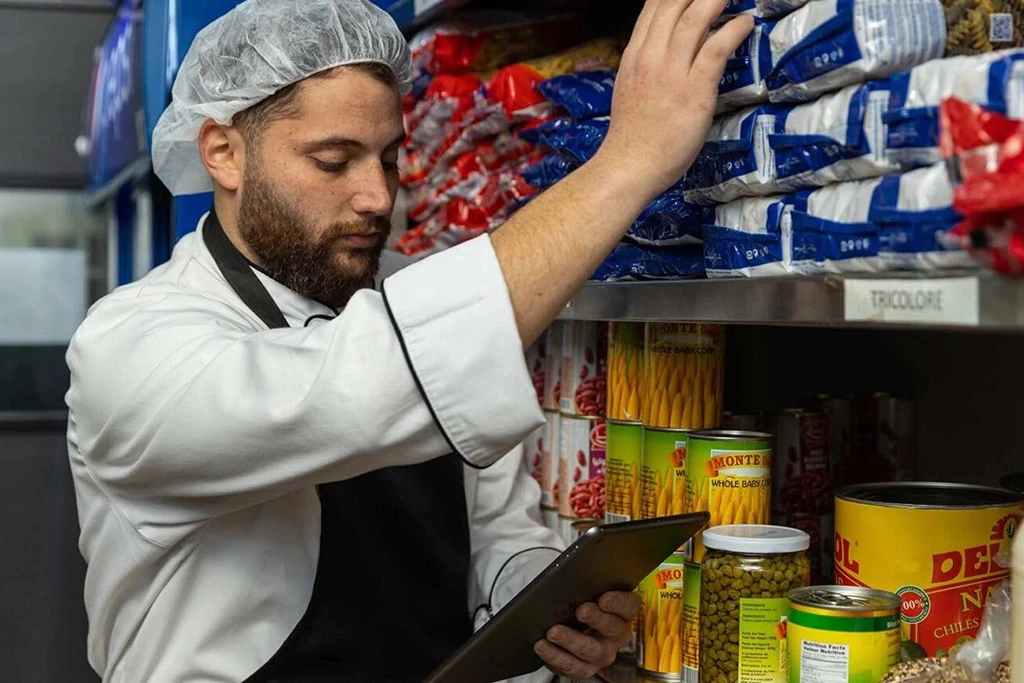
1. Managers Lose Time To Small Interruptions
One of the biggest hidden costs of manual operations is not one long task.
It is the constant interruption of small tasks.
During a normal day, managers and senior staff may need to stop what they are doing to:
- A/ check whether an item is still available
- B/ confirm order details with kitchen or front staff
- C/ answer supplier messages during working hours
- D/ find out why a ticket is delayed
- E/ correct a mistake before it reaches the customer
Each interruption may only take a few minutes.
But across a full service day, those minutes become lost focus, slower decisions, and more pressure on the people keeping the restaurant together.
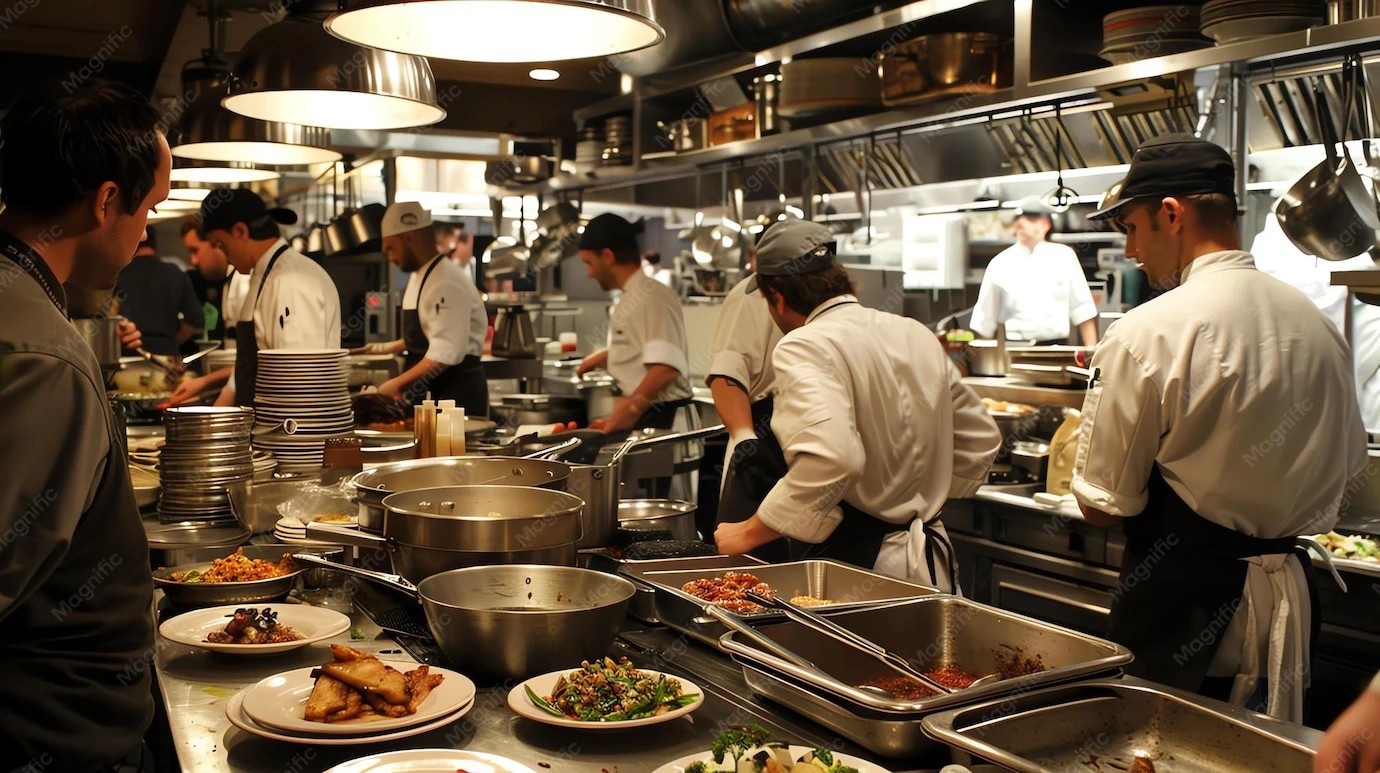
2. Peak Hours Expose Every Weak Point
Manual workflows usually look fine when the restaurant is quiet.
Staff have time to ask questions, confirm details, and correct small issues.
But during lunch rush, dinner service, or weekend demand, the same workflow becomes harder to control.
Common problems include:
- A/ wrong modifiers or missing order notes
- B/ front staff repeatedly asking kitchen for updates
- C/ delivery and dine-in orders competing for attention
- D/ staff depending on verbal updates instead of clear order visibility
These problems are not usually caused by lazy staff.
They happen because manual coordination becomes weaker when the restaurant gets busier.
3. Disconnected Tools Make Staff Do Extra Work
Most restaurants use more than one tool today.
That is not the problem.
POS systems, delivery platforms, spreadsheets, WhatsApp, QR menus, and online ordering can all be useful in the right context.
The problem starts when these tools do not work together in the daily workflow.
For example, staff may need to check:
- A/ the POS for dine-in orders
- B/ delivery tablets for marketplace orders
- C/ spreadsheets or notes for stock updates
- D/ WhatsApp or phone calls for supplier coordination
When information is spread across different places, staff become the connection between systems.
That creates repeated checking, duplicated work, delayed updates, and less visibility for managers.
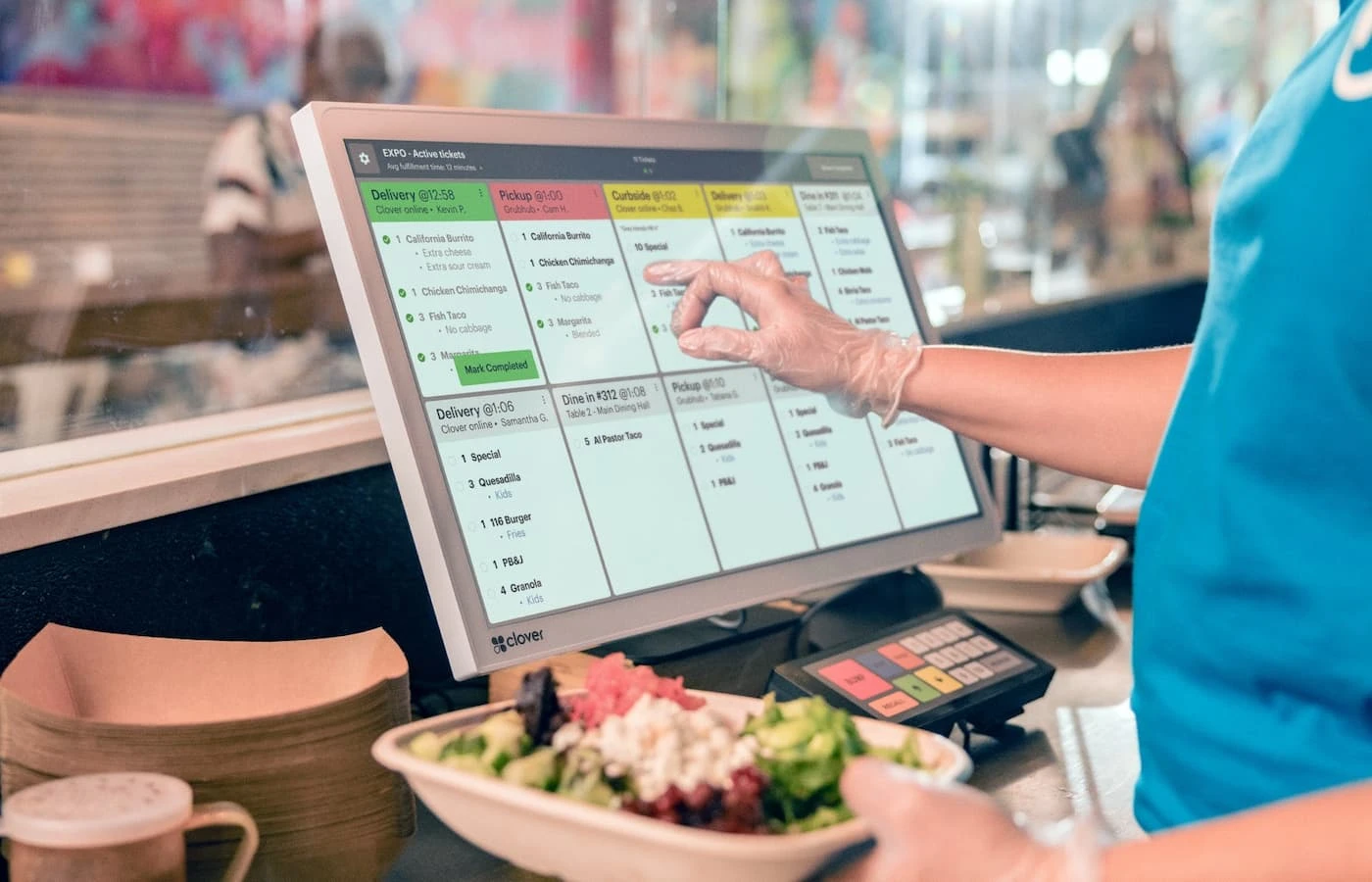
4. Growth Makes Manual Workflows Harder To Control
A manual workflow can feel manageable when order volume is low.
The team knows the routine. The manager can watch most things. Mistakes can be corrected quickly.
But when the restaurant gets busier, the same workflow starts carrying more weight than it was designed for.
Typical pressure points include:
- A/ kitchen tickets building up faster than staff can prioritise them
- B/ new staff needing more support because processes live in people’s heads
- C/ managers making too many small decisions during service
- D/ customers getting different experiences depending on shift pressure
- E/ stock issues appearing only when an item is already needed
Growth does not create these problems from nothing.
It makes the weak points easier to see.
5. The Hardest Part Is That It Feels Normal
The most dangerous thing about manual operations is that the team often gets used to them.
Over time:
- A/ delays become part of the routine
- B/ staff build workarounds instead of fixing the cause
- C/ managers accept constant checking as part of the job
- D/ customers only notice the problem when pressure becomes visible
This creates a false sense of stability.
The restaurant is functioning, but it is functioning because people are constantly compensating for the system.
Example
A Simple Example From Daily Service
Imagine a common stock issue during service:
- 1. stock is checked manually before service
- 2. an ingredient runs low during a busy period
- 3. kitchen notices only after an order is placed
- 4. front staff need to explain, substitute, or delay the order
- 5. the customer experience becomes less consistent
This is not a dramatic failure.
It is the kind of small operational issue that happens in real restaurants every day.
But when small issues repeat often enough, they begin to affect service quality, staff pressure, and customer trust.
The Impact
What This Pressure Does Over Time
The cost of manual operations is not only financial.
It affects how the restaurant feels to run every day:
- i/ service becomes less consistent during pressure
- ii/ staff carry more mental load than necessary
- iii/ managers spend more time correcting than improving
- iv/ customers notice delays before the team notices the pattern
- v/ growth becomes harder because the operation depends too much on people remembering everything
In many restaurants, the issue is not lack of effort.
The issue is that the team is working inside a workflow that creates too much avoidable pressure.
Why It Matters
Why Better Restaurant Systems Matter
A restaurant is not only a place where food is prepared and served.
During service, it becomes a live coordination system.
Orders, staff, kitchen timing, inventory, delivery, payments, and customer expectations all move at the same time.
That system needs:
- A/ clear workflows that staff can follow under pressure
- B/ tools that support daily operations instead of adding extra checking
- C/ better visibility before small issues become service problems
- D/ less dependency on memory, verbal updates, and constant manager involvement
Manual work will always exist in restaurants.
But the more a restaurant grows, the more important it becomes to decide which parts of the operation should rely on people — and which parts should be supported by clearer systems.